

3D Scenarios
The 3D Simulation of an Inclusive Clinical Environment is a key element of the ASSIST Digital Ecosystem — a dynamic, immersive learning tool designed to replicate real-world clinical settings and promote inclusive, respectful healthcare practices. Accessible directly via web browser, the simulation allows users to navigate through virtual spaces such as consultation rooms, waiting areas, and examination rooms. Within these environments, learners engage in interactive scenarios that illustrate how to use inclusive medical equipment, foster respectful communication, and ensure emotional and physical accessibility for all patients. The tool features six core scenarios, each addressing critical aspects of care — from accessible infrastructure to empathetic, patient-centered communication strategies. Special attention is given to the needs of mothers with disabilities, who often face unique challenges in healthcare settings. By integrating this simulation into training programs, future and current healthcare professionals can build the awareness, skills, and sensitivity required to provide equitable, inclusive, and person-focused care.
Hardware Compatibility Notice ❗
Please note that the 3D/VR scenarios are optimized for desktop and laptop computers only. This functionality is currently not supported on mobile devices (smartphones or tablets). To ensure stability and performance, please access this module from a supported web browser on a computer.
For optimal stability and speed, switch to Google Chrome. Chrome is currently the only browser with the performance accelerator integrated by default, preventing lag and tracking issues in the VR environment. If you prefer to use another browser (such as Safari or Mozilla Firefox), [click here] for instructions on how to activate the accelerator manually.
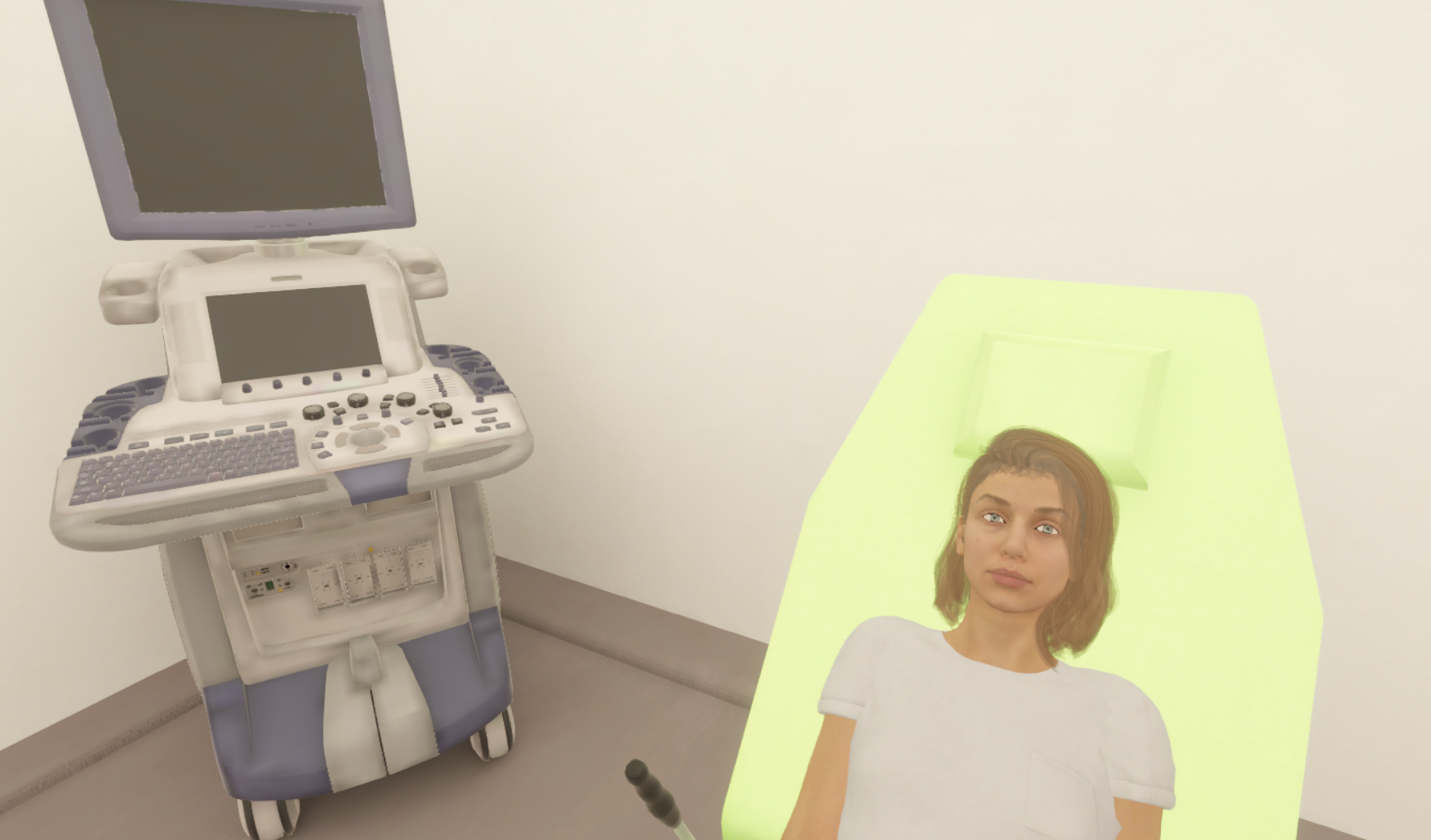
Communicating with a pregnant woman with autism during a prenatal visit
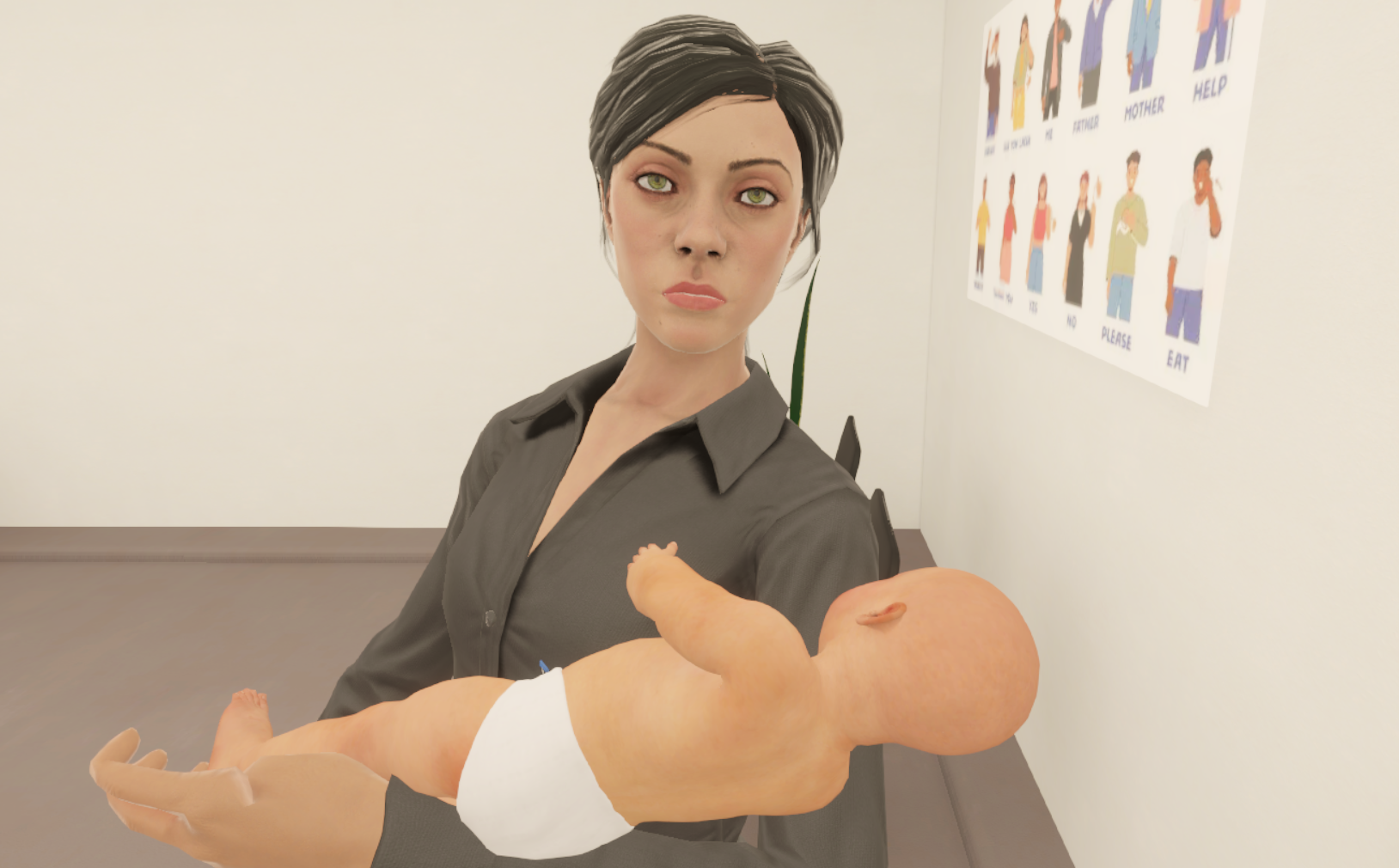
Postnatal consultation with a deaf mother: inclusive communication in practice
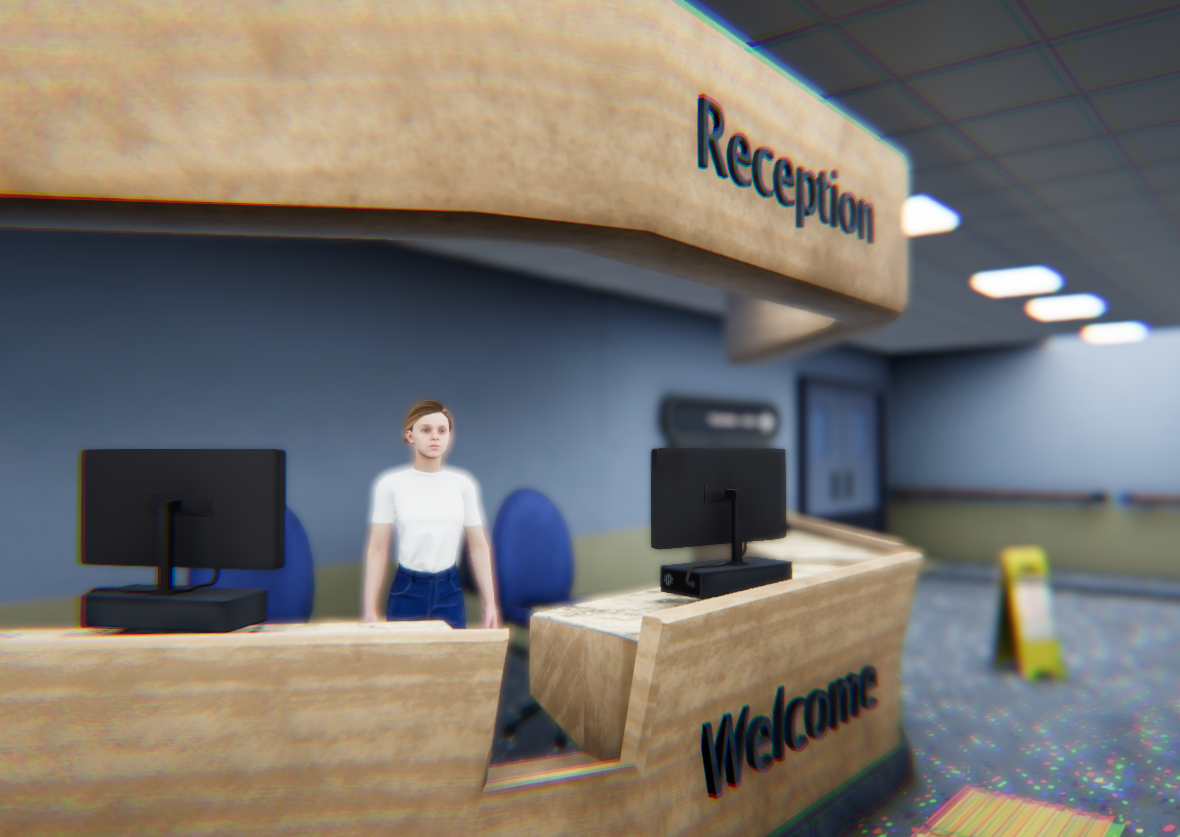
Accessible Healthcare: Navigating a Gynecology Waiting Room with Visual Impairment
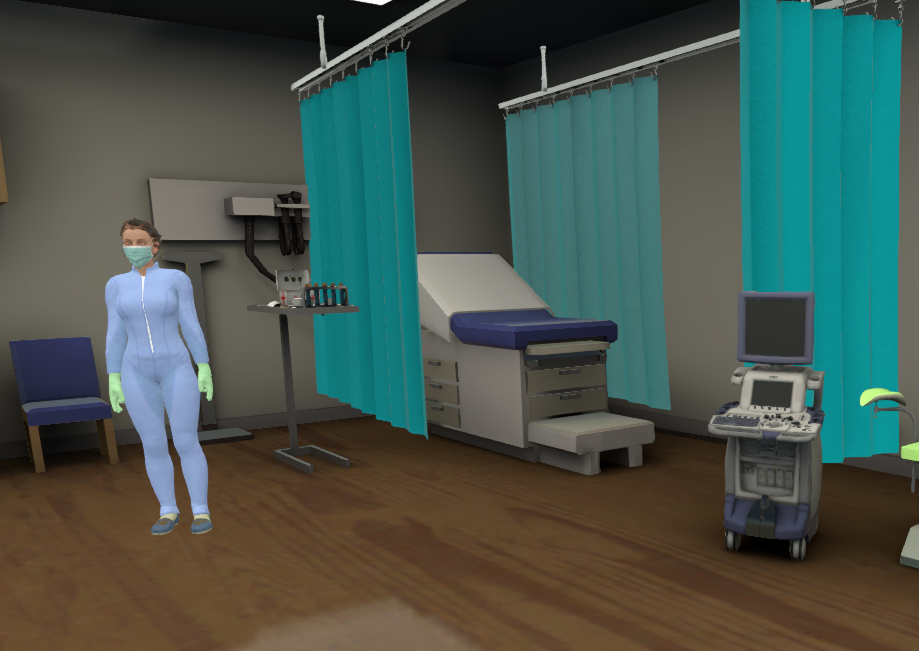
Inclusive Gynecological Care: Routine PAP Test Visit
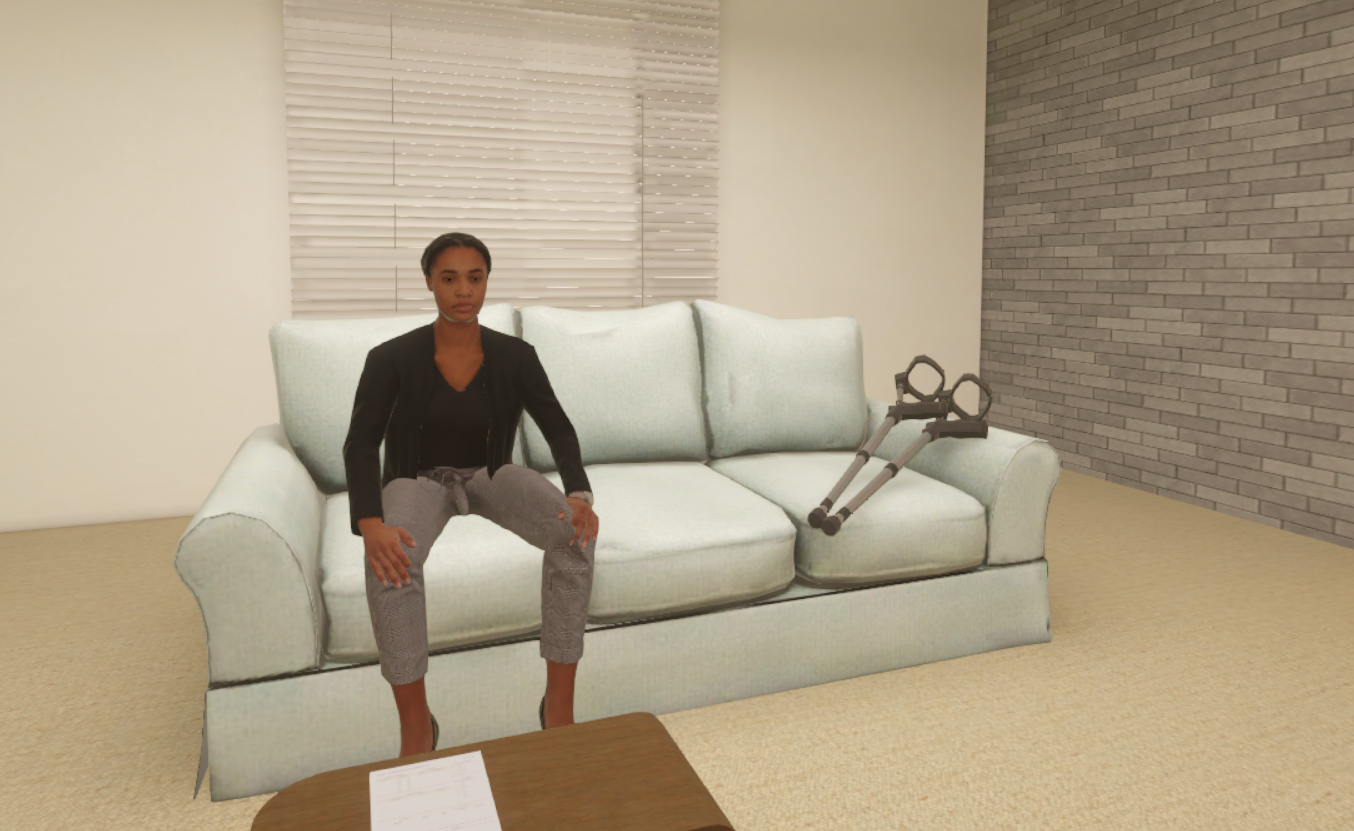
Balancing the Invisible Load: A Caregiver’s Resilience Journey
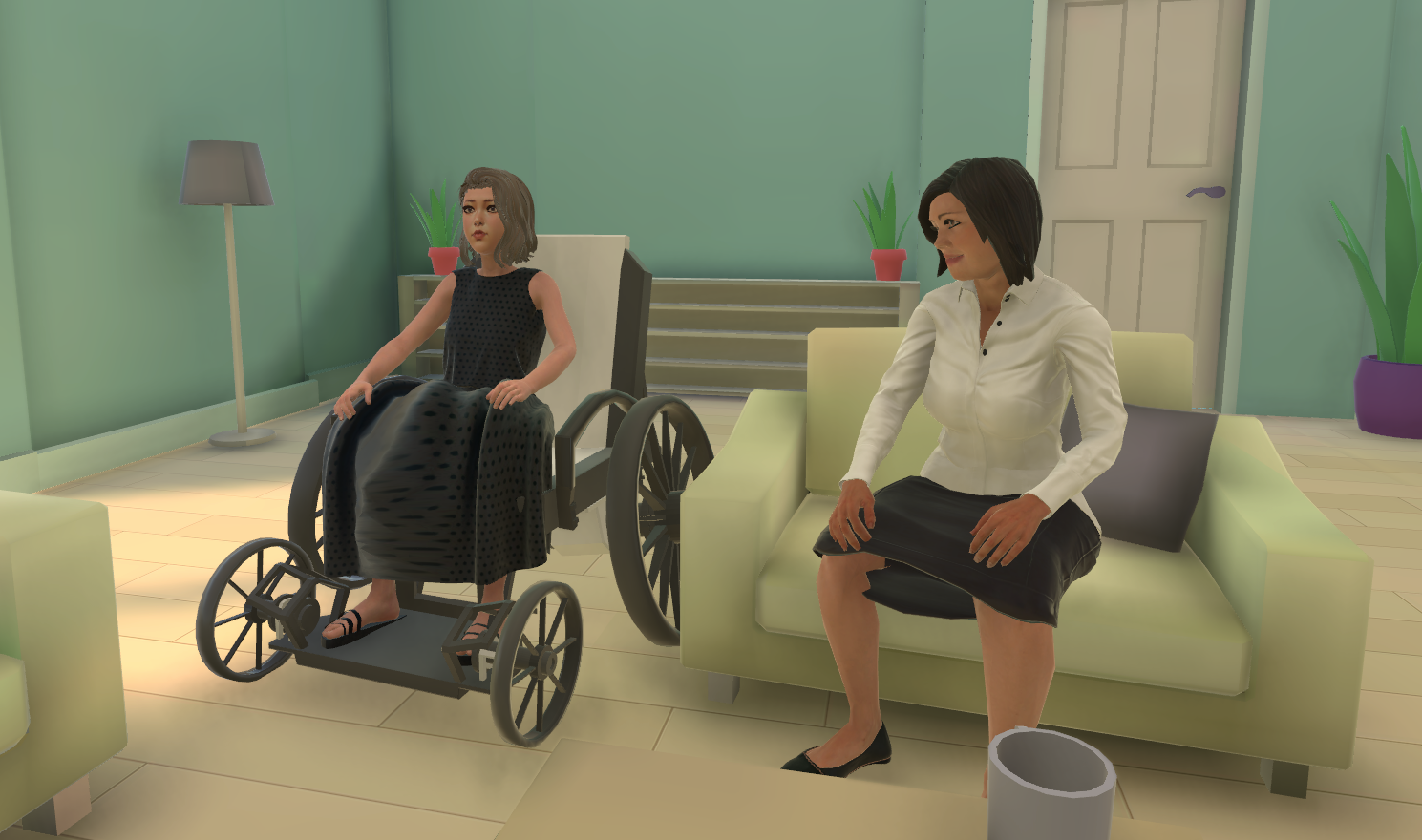
Advocacy in Action: Empowering Mothers with Disabilities
Communicating with a pregnant woman with autism during a prenatal visit
Description
This scenario places the user in the role of a healthcare professional conducting a prenatal consultation with Giulia, a 28-year-old woman with a moderate cognitive disability related to autism spectrum disorder (ASD). The user is tasked with building trust, communicating in a clear and structured manner, and minimizing potential sources of anxiety or confusion. A caregiver is present to provide emotional and practical support.
Through this interactive experience, participants are encouraged to apply inclusive, empathetic, and patient-centered communication strategies, fostering a safe and respectful environment for neurodiverse patients.
Objectives:
- Increase awareness of the specific communication needs of pregnant patients with autism spectrum disorder (ASD).
- Strengthen empathy and respect towards neurodiverse individuals in prenatal care settings.
- Train healthcare providers to adapt their language, behavior, and clinical environment to promote inclusivity and psychological comfort.
Postnatal consultation with a deaf mother: inclusive communication in practice
Description
This scenario simulates a postnatal consultation with a deaf mother and her newborn child, highlighting the challenges of communication in the absence of a sign language interpreter.
The user assumes the role of a healthcare provider responsible for conducting the follow-up check-up. With no interpreter available, the user must rely on visual tools, written communication, and empathetic non-verbal cues to convey key medical information — including the baby’s health status, breastfeeding concerns, and guidance on postnatal care.
The scenario emphasizes the importance of accessible and respectful communication to ensure the patient feels understood, supported, and empowered throughout the clinical interaction.
Objectives:
- Raise awareness of the challenges faced by deaf patients in healthcare settings.
- Promote the use of inclusive communication strategies when interpreters are unavailable.
- Support patient-centered and respectful care practices during postnatal consultations.
Accessible Healthcare: Navigating a Gynecology Waiting Room with Visual Impairment
Description
In this scenario, the user is a pregnant woman with a visual impairment during her routine visit to the gynecology department. The setting is a hospital waiting room equipped with accessible tools such as tactile flooring and a multilingual, audio-described interactive screen. The user experiences how inclusive environments support independent navigation and access to healthcare information.
Objectives:
- Demonstrate best practices in physical accessibility and inclusive communication in a medical setting.
- Encourage freely walking around for individuals with visual impairments using tactile and digital tools
- Promote awareness of inclusive digital interfaces in public health services
Instructions
- W, A, S, D keys / Arrow keys: Move
- E key: Interact
- Mouse: Click to select and drag to look around
Inclusive Gynecological Care: Routine PAP Test Visit
Description
In this scenario, a woman who uses a wheelchair arrives at the gynecology department for a routine PAP test. During the exam, she discusses medical history, contraception, and the PAP test procedure with a gynecologist, and is assisted by a midwife to safely transition from the wheelchair to an adjustable examination couch. The scenario emphasizes patient autonomy, consent, and inclusive infrastructure.
Objectives:
- Demonstrate best practices in physical accessibility and inclusive communication during a gynecological exam.
- Promote autonomy for individuals with physical disabilities in accessing healthcare services.
- Reinforce the importance of clear, informed consent and a supportive, multidisciplinary approach to care.
Instructions
- W, A, S, D keys / Arrow keys: Move
- Mouse: Click to select and drag to look around
Balancing the Invisible Load: A Caregiver’s Resilience Journey
Description
This scenario follows Elena, a mother with a disability who is also a caregiver. Students navigate through her daily life, making decisions that impact her emotional well-being, resilience, and ability to balance self-care with caregiving responsibilities. The scenario is grounded in evidence-based mental health strategies and real-life caregiving challenges, aiming to promote deeper understanding and skill development among participants.
Objectives:
- Recognize the signs of emotional strain and burnout in caregivers and mothers with disabilities.
- Evaluate and apply evidence-based strategies for building resilience, including self-care and support networks.
- Reflect on the impact of societal and systemic barriers on caregiver well-being and explore avenues for advocacy and reform.
Instructions
- W, A, S, D keys / Arrow keys: Move
- Mouse: Click to select and drag to look around
Advocacy in Action: Empowering Mothers with Disabilities
Description
In this interactive scenario, learners will engage with the real-life challenges faced by Maya, a mother with a physical disability who cares for her young child. The scenario unfolds within her home environment, highlighting systemic barriers, social stigma, and the need for both informal and formal support. Users will be invited to explore inclusive and equitable ways to empower and support mothers with disabilities.
Objectives:
- Demonstrate an understanding of the role of self, individual, collective, and policy-based advocacy in supporting mothers with disabilities.
- Explore the role of extended family and support networks in advocacy and caregiving.